Lhazar
Lhazar is a stretch of grassland and hills south of the Dothraki Sea, a territory wedged between the horse-lords of the plains and the slaving cities of the bay. It is home to the Lhazareen, a people devoted to herding and to the Great Shepherd, in a corner of the world that rarely gets to choose its own fate.
Its name enters the story through one brief alliance with a foreign queen, when its trade routes become the only open path to a besieged city.
Chapter 1
Shepherds of the Great Shepherd
Books only
Lhazar sits on a dry strip of land between the Dothraki Sea and Slaver's Bay, with the Khyzai Pass as the only mountain road to Meereen. It isn't desert and it isn't plain: it's grassland and hill country, enough to keep herds alive.
Its people, the Lhazareen, neither ride nor conquer. They raise livestock and worship the Great Shepherd, and that stillness has made them easy prey for Dothraki riders crossing the northern border whenever it suits them.
Three cities hold the region together: Hesh, Lhazosh, and Kosrak. Further northeast there is only ruin, Vaes Mejhah among it, remnants of an age the Lhazareen themselves can no longer explain.
Chapter 2
The dragon queen's only ally
Books only
 Daenerys Targaryen
When Meereen finds itself cut off, the Lhazareen do something they hadn't done before: they reopen trade with the city, answering an appeal from Daenerys Targaryen. The choice makes them the queen's only allies anywhere in the bay.
The gesture isn't enough. Qarth's ships close the river route and the legions of New Ghis seal the road by land, leaving Lhazar an ally with no way to reach the one it's helping.
The physical world
Está conectada a Meereen a través del Paso Khyzai en las montañas.
Geography · Danza de Dragones, Capítulo 2, Daenerys.
Gallery
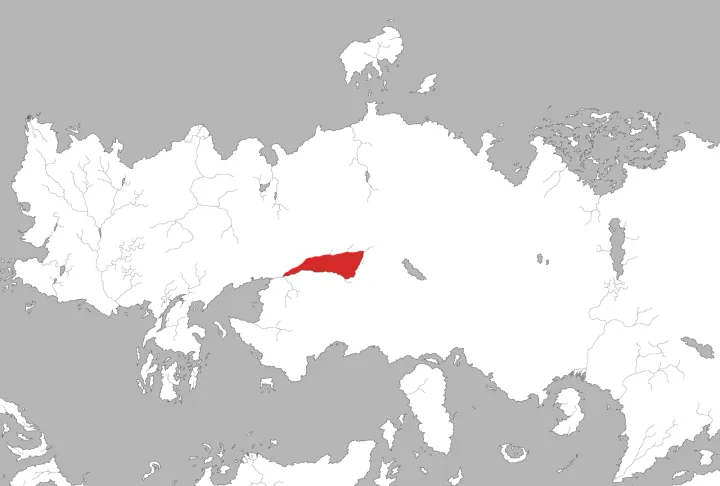
Lhazar, image 1Lhazar.png · gameofthrones.fandom.com · this wiki publishes under CC-BY-SA 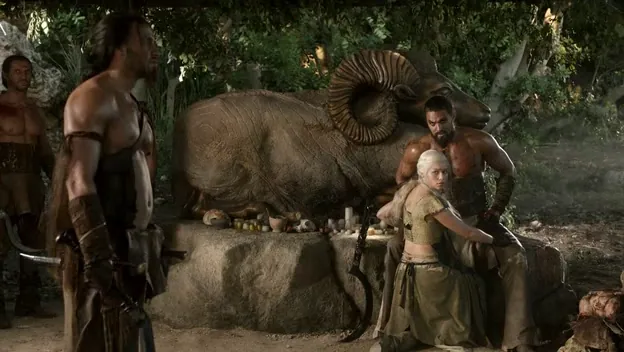
Lhazar, image 2Great Shepherd Altar.png · gameofthrones.fandom.com · this wiki publishes under CC-BY-SA


What we are not sure about
PositionWe worked it out
The position was inferred from the label on the base map rather than from a symbol of its own: it marks the area, not the point.