Crownlands
las Tierras de la Corona
The Crownlands were never a kingdom of their own; they were the strip of coast and lowland that Aegon Targaryen turned into his base after landing at the mouth of the Blackwater. Ever since, the region has been bound to whichever throne sits in its capital, King's Landing, and its fortunes have mostly followed the fortunes of whoever holds that throne.
From the Gullet to Sharp Point, its lords have switched sides each time the crown has changed hands.
Chapter 1
The Hundred Kingdoms
Books only
In the Age of Heroes there was a real crownland kingdom of sorts: the Darklyns ruled everything from Duskendale down to Sharp Point. It did not last. The stronger powers around them swallowed the realm piece by piece, and its kings ended up bending the knee, depending on which way the wind blew, to the King of the Rivers and the Hills or the Storm King; they kept the title of Lords of Duskendale and with it a fair amount of weight in the region.
The ground where King's Landing now stands changed hands again and again during the Age of the Hundred Kingdoms, passing between the Darklyns themselves, the Masseys, and whichever king had subdued them that season. Two centuries before Aegon crossed the sea, the Targaryens settled on Dragonstone, the westernmost foothold of Valyria, and carved out a place among the great naval houses alongside the Velaryons of Driftmark and the Celtigars of Claw Isle.
Chapter 2
The Conquest
Books only
Aegon Targaryen came ashore in Westeros right where the Blackwater opens onto the sea, and that landing gave its name to the city he would later raise there. The local lords had already fallen under the rule of Harren the Black, the Iron King, so for many of them the conquest was simply a change of master.
Rosby and Stokeworth surrendered to Rhaenys and Visenya without a fight. Upriver, Aegon and his bastard brother Orys forced Duskendale and Maidenpool to submit, while the Bar Emmons chose to throw in with the invaders; in exchange they kept Massey's Hook and the southern edge of the region, until then part of the Storm Kingdom.
Chapter 3
The age of dragons
Books only
 Rhaenyra Targaryen
 Aegon II Targaryen
 Borros Baratheon
From the start the crown leaned on crownlanders to fill seats of weight. Aegon put local men — Crispian Celtigar, Daemon Velaryon, Triston Massey — on his first small council, and over the centuries Hands of the King, septons, even a pyromancer from the region rose to that office or close to it. The City Watch and the Kingsguard also drew from the Crownlands: Duncan the Tall, Donnel of Duskendale, half a dozen men from Sharp Point, and seven Darklyn knights all wore the white cloak.
That loyalty was tested during the Dance of the Dragons. The Velaryons, backing Rhaenyra, closed the Gullet with their fleet to starve King's Landing by sea; Aegon II's supporters answered by sacking Duskendale and Rook's Rest, both black strongholds. The greens eventually broke the blockade at the Battle of the Gullet and burned Driftmark.
Rhaenyra ended up devoured by Sunfyre, her brother's dragon, on Dragonstone. Even so, the blacks fought on and beat Lord Borros Baratheon's greens at the Battle of the Kingsroad.
Later, the Defiance of Duskendale — a Darklyn revolt against Aerys II — showed that even this land, the one most loyal to the dragons, would not simply obey them forever. Not long after, the outlaws of the Kingswood Brotherhood took to robbing nobles in that same forest until the Kingsguard hunted them down.
Chapter 4
Robert's Rebellion
Books only
 Tywin Lannister
 Stannis Baratheon
King's Landing was sacked by Lord Tywin Lannister's men during what was then called the War of the Usurper. Once the Targaryens had fallen, the new king, Robert Baratheon, wanted to keep a crownlander presence in the Kingsguard and named Ser Boros Blount to it.
But affection for the dragons had not entirely left this land, which is why Robert put his own brother Stannis in charge of Dragonstone — better a Baratheon watching over the island than leaving it to someone who still missed the old kings.
Chapter 5
A Game of Thrones
Books only
 Petyr Baelish
With Robert on the throne, crownlander lords had the court right on their doorstep and were often seen there. The sack of King's Landing still weighed on people; resentment toward the Lannisters had not cooled.
When Petyr Baelish runs through who might attempt a coup if Robert were to die, Lady Tanda Stokeworth is among the names he lists as a possible sympathizer.
Chapter 6
A Clash of Kings
Books and show
War breaks out and the Crownlands split down the middle: the lords of the Narrow Sea arm their fleets for Stannis, while those inland back Joffrey, propped up by the Lannisters. Stokeworth and Rosby ship grain to the capital and keep King's Landing from starving during the blockade the Tyrells impose.
The split closes with the Lannister-Tyrell victory over Stannis at the Battle of the Blackwater.
Chapter 7
A Storm of Swords
Books only
 Roose Bolton
 Randyll Tarly
 Gregor Clegane
Roose Bolton sends a northern host, led by Robett Glover and Ser Helman Tallhart, to strike Duskendale. Randyll Tarly and Ser Gregor Clegane are waiting for them and cut them to pieces.
Not long after, Joffrey dies at his own wedding, and the throne passes to his younger brother, Tommen.
Chapter 8
A Feast for Crows
Books only
 Cersei Lannister
 Loras Tyrell
Cersei Lannister, now queen regent, puts two crownlanders on her small council, Gyles Rosby and Aurane Waters. Illness kills Rosby; the queen's fall sends Aurane fleeing the city.
Dragonstone, Stannis's last stronghold in these lands, falls to Ser Loras Tyrell.
The physical world
Las costas que dan al Mar Angosto reciben frecuentemente vientos de componente oeste que traen consigo fuertes tormentas.
Geography · The Lands of Ice and Fire
Gallery
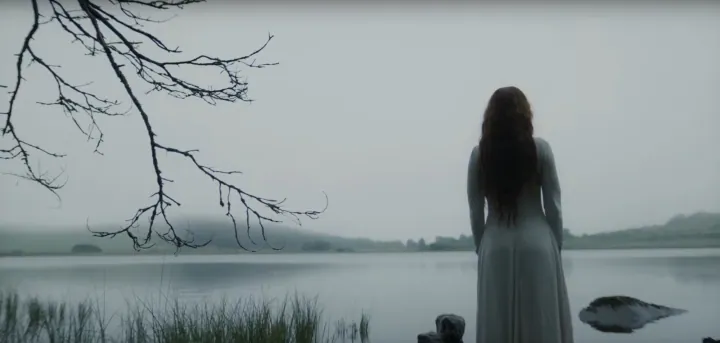
Crownlands, image 1S2 Alicent Hightower 3.jpg · gameofthrones.fandom.com · this wiki publishes under CC-BY-SA 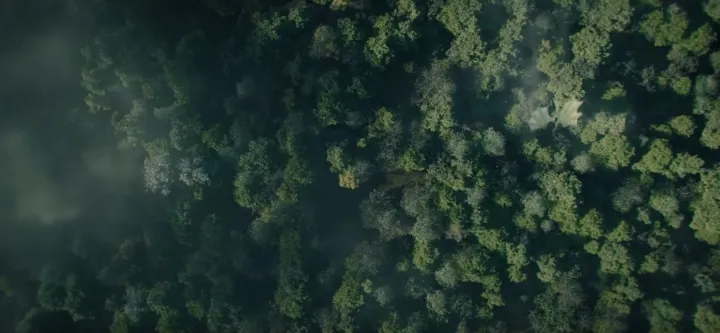
Crownlands, image 2S2 Crownlands Forest.jpg · gameofthrones.fandom.com · this wiki publishes under CC-BY-SA 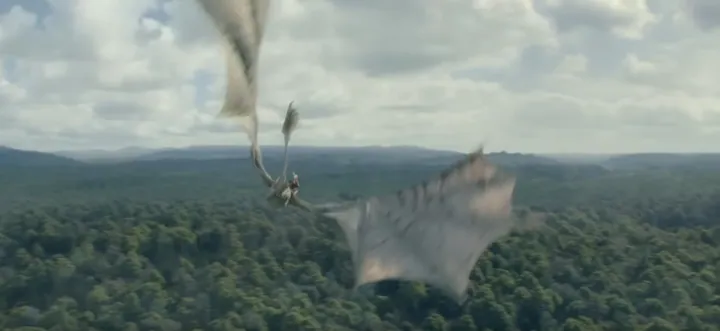
Crownlands, image 3S2 Moondancer Rook's Rest.jpg · gameofthrones.fandom.com · this wiki publishes under CC-BY-SA


What we are not sure about
PositionWe worked it out
The position was inferred from the label on the base map rather than from a symbol of its own: it marks the area, not the point.